

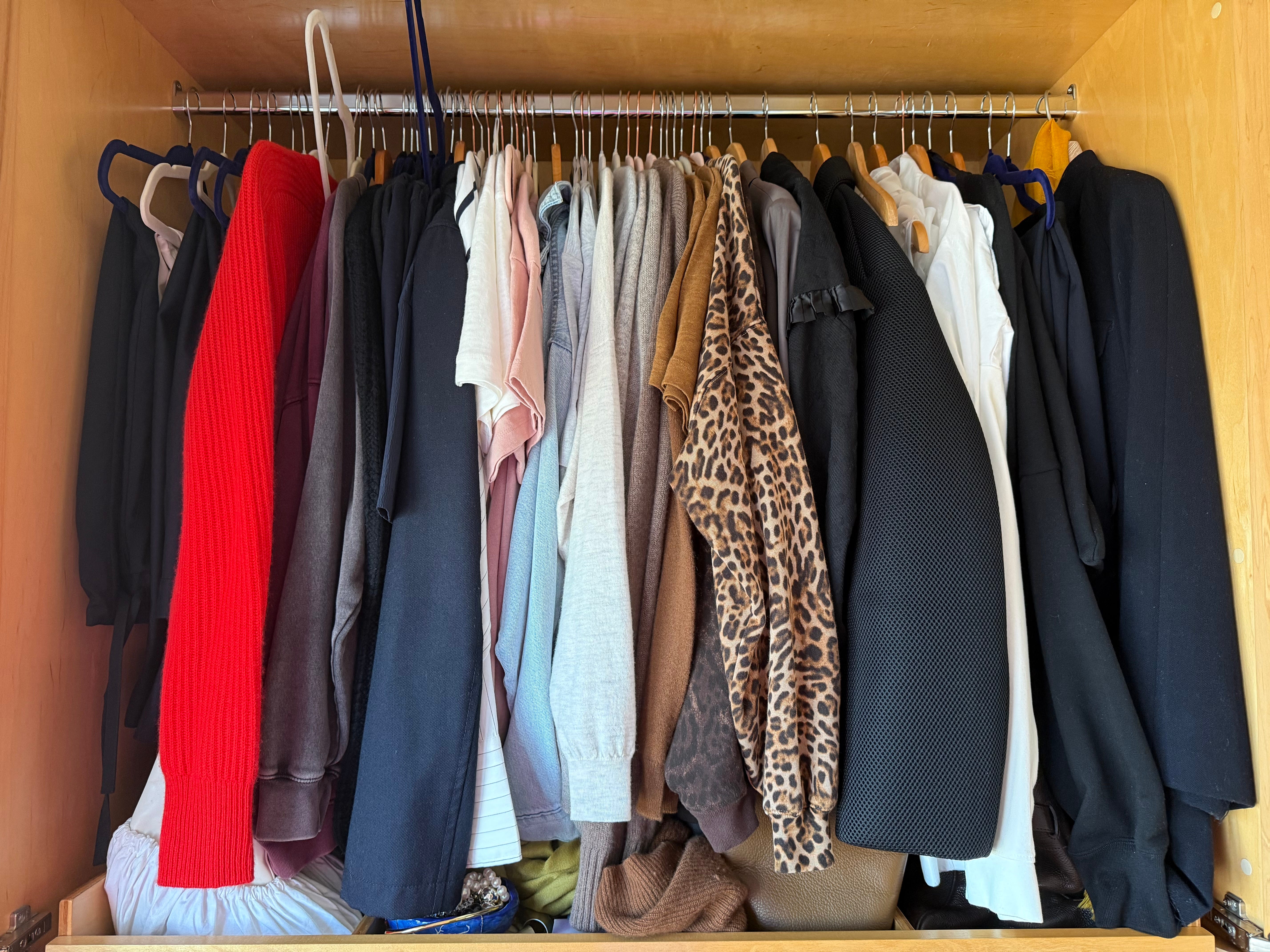
We live in a world where nearly everyone is vying for our attention so that we’ll buy something they’re selling. I live with the burden of habits I’ve developed as a modern day consumer, indiscriminately and thoughtlessly adding things to my cart, and often compelled by deals that seem too good to be true. There are some things I need on a regular basis that I don’t even think twice about, and would be happy to automate or outsource the shopping experience, like my toilet paper (monthly), face wash (quarterly), or a stack of white t-shirts (annual or whenever they start to show holes or stains I can’t hide). This is what Amazon was counting on when they introduced Auto Buy features, and many subscription products rely on you to forget that you even signed up for something in the first place, and keep that credit card on file.
Some of the first movers in retail are now experimenting with shopping in LLMs, like Gap’s new checkout inside Google Gemini, the first retailer to do it, with loyalty accounts not yet linked and points not yet spendable at launch; and Sephora and Walmart’s foray into OpenAI’s ChatGPT to surface their products. Gap is first, and they’re doing it while 58% of shoppers say they’d blame the brand if the AI gets the recommendation wrong. First mover and liability holder, same announcement. The first movers are borrowing against their existing brand equity as they figure out how to create the most valuable experience for their customers — which, in turn, will accrete in value back to the business. The brands that survive this moment are the ones that treat it as an honest journey with their customers, not an experiment run on them.
All of this is predicated on the assumption that shopping results in buying things, and brands will want you to get from A to B as quickly and often as possible. But there are certain things, out of desire over necessity, that I wouldn’t give up the experience of finding and appreciating. I love combing the racks physically or online for rare finds, like vintage clothing or that last pair of shoes on sale, exactly in my size. I love the hunt, and in the case of pre-owned goods, I look for evidence and stories that they were well loved and cared for by someone who equally appreciates the craft. Most of the time, I don’t even buy what I found because the joy was already in the process of searching for it, reading about it, and appreciating the beauty. Sometimes, I end up coming back to it because the discovery stayed with me long after I left a shop or closed a browser. It’s a quiet and often overlooked corner in the world of shopping in today’s attention span and focus on efficiency, and I have no interest in taking more short cuts there.
So what would I let AI pick and buy for me? Anything I’ve already decided is interchangeable. What I won’t let it touch is anything where the finding is part of what I’m buying. The shoe hunt isn’t inefficiency. That’s the whole point. I suspect I’m not alone in knowing the difference, even if the brands haven’t figured out how to ask yet.